
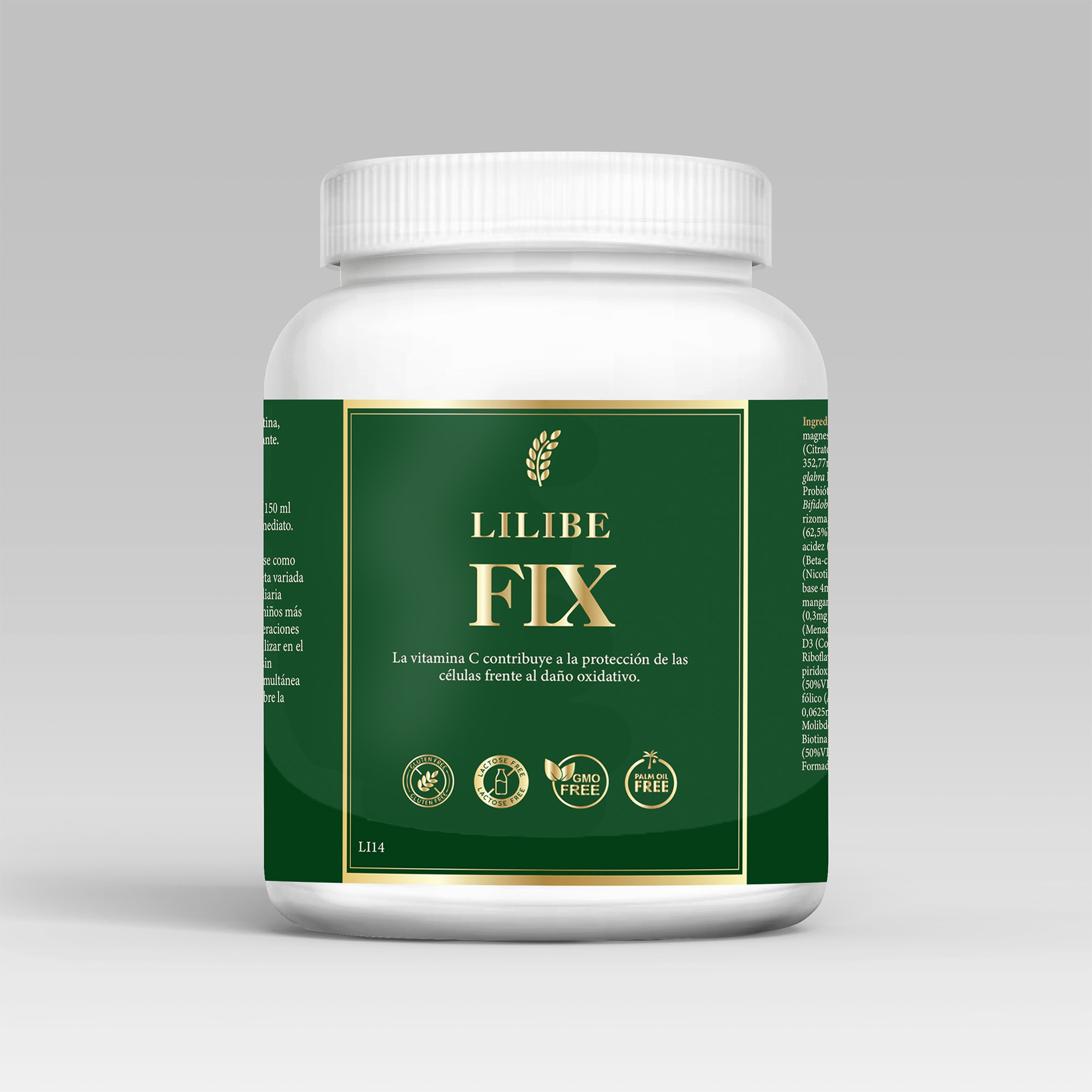



Lilibe MIT: The premium dietary supplement for longevity and overall wellness
In a context where prevention and long-term health care have become top priorities for many people, dietary supplements focused on...
read more


Longevity has always been a central theme in human life. Since ancient times, civilizations have sought formulas, plants, or practices that would allow them to extend lifespan and maintain vitality. Today, science and nutrition have advanced to the point of understanding that aging is not a linear and inevitable process, but rather a biological phenomenon influenced by multiple factors: genetics, lifestyle, diet, and environmental exposure. Within this context, dietary supplements and vitamin complexes have become valuable tools to support health and, in some cases, promote a more fulfilling longevity.
This article explores comprehensively how supplements can contribute to healthy aging, the mechanisms behind their effectiveness, and the considerations that should be taken into account before incorporating them into a daily routine.
Aging is associated with processes such as low-grade chronic inflammation, increased oxidative stress, decreased metabolic efficiency, and the progressive loss of muscle mass and bone density. A balanced diet can slow some of these changes, but in many cases it is not enough. Factors such as modern lifestyles, consumption of ultra-processed foods, stress, or pollution reduce the availability of essential nutrients. For this reason, dietary supplements represent a complementary strategy to cover deficiencies, optimize cellular functions, and maintain long-term well-being.
Oxidative stress is one of the main causes of cellular damage associated with aging. Free radicals—unstable molecules produced during metabolic processes or by external factors such as solar radiation—damage proteins, lipids, and DNA. To counteract this phenomenon, supplementation with antioxidant vitamins such as vitamin C and vitamin E is essential, as they help neutralize free radicals and strengthen cellular defense systems. Likewise, coenzyme Q10 plays a dual role: in addition to participating in mitochondrial energy production, it acts as an antioxidant protecting cardiovascular and neurological tissues. Polyphenols and flavonoids, found in supplements based on grape or green tea extracts, have also proven effective in improving the body’s ability to combat inflammation and delay cellular deterioration. Thanks to these substances, cellular integrity is maintained and the risk of degenerative diseases linked to aging is reduced.
The deterioration of bones and muscles is a significant challenge in older age, as it affects mobility, independence, and quality of life. Vitamin D plays a crucial role in calcium absorption and in strengthening bone structure, making it an indispensable ally against osteoporosis. Minerals such as calcium and magnesium are essential for preserving bone mineral density, reducing the fragility typical of advanced age. Likewise, protein powders and certain essential amino acids such as leucine, along with hydrolyzed collagen, support muscle mass and reduce sarcopenia, a condition characterized by the progressive loss of muscle tissue. Together, these nutrients not only contribute to longevity but also help maintain autonomy and physical activity in later life.
One of the great challenges of longevity is maintaining brain health. Aging is often accompanied by neurodegenerative processes that can culminate in dementias or diseases such as Alzheimer’s. To delay this decline, supplements play a prominent role. Omega-3 fatty acids, especially EPA and DHA found in fish oil and algae, reduce brain inflammation and promote neuronal plasticity. B-complex vitamins, particularly B6, B9, and B12, are essential for neurotransmitter production and help reduce homocysteine levels, a marker associated with cognitive decline. On the other hand, herbal extracts such as ginkgo biloba and bacopa monnieri improve cerebral circulation and enhance memory. All of this helps preserve mental sharpness and memory for longer, promoting an active old age with a better quality of life.
Metabolism tends to slow down with age, leading to weight gain, fatigue, and insulin resistance. To counteract these effects, certain supplements are key. Coenzyme Q10 and alpha-lipoic acid support energy production in the mitochondria and reduce feelings of fatigue. Resveratrol, for its part, activates genes related to longevity known as sirtuins, improving insulin sensitivity and metabolic efficiency. Likewise, carnitine facilitates the use of fatty acids as an energy source, benefiting both cardiovascular health and overall vitality. Thanks to this metabolic regulation, not only is greater longevity supported, but chronic diseases such as obesity or type 2 diabetes are also prevented.
The immune system also ages—a process known as immunosenescence—which results in increased vulnerability to infections and reduced effectiveness in vaccine responses. Supplementation with minerals such as zinc and selenium strengthens lymphocyte function and improves antibody production. In turn, vitamin C and vitamin D reinforce immune barriers and help the body respond better to pathogens. Additionally, probiotics play a fundamental role by balancing the intestinal microbiota, which has a direct impact on immune system regulation and the reduction of inflammatory processes. A strengthened immune system allows the body to face age-related challenges more efficiently.
A key point is understanding that supplements should not be conceived solely as solutions to treat already established deficiencies, but as preventive tools. Starting supplementation early prepares the body for the changes associated with aging and helps prevent future complications. In this sense, prevention becomes the most effective strategy for extending quality of life.
Although supplements offer multiple benefits, they are not without risks if used indiscriminately. It is essential to have a professional evaluation, as a doctor or nutritionist should determine the real need for each supplement. Excesses of vitamins or minerals can be just as harmful as deficiencies. Another essential aspect is product quality, since only supplements from reliable laboratories with purity certifications guarantee safety and effectiveness. It is also important to consider that supplementation must be personalized, as each person ages differently and what is appropriate for one may not be for another. Finally, it should not be forgotten that some supplements may interact with medications commonly used in older age, such as anticoagulants or antihypertensives.
Scientific research on longevity is rapidly expanding, and each year new molecules with promising effects emerge. Among them are nicotinamide riboside and NMN, precursors of NAD+, an essential molecule in DNA repair and mitochondrial function. Compounds known as natural senolytics, which help eliminate senescent cells linked to tissue aging, are also being studied. Likewise, bioactive peptides designed to stimulate regenerative processes in organs and tissues are under investigation. These advances open the door to a new era of supplementation focused not only on extending lifespan, but on improving its quality.
Longevity does not depend on a single factor, but on a set of choices and care throughout life. Dietary supplements and vitamin complexes are presented as strategic allies to maintain vitality, prevent disease, and improve the quality of the years lived. Far from being a magic solution, they should be understood as complements to a healthy lifestyle based on mindful nutrition, physical activity, and emotional well-being management. Ultimately, science increasingly supports the idea that, with the support of appropriate supplementation, it is not only possible to live longer, but to live better.
